Commercial Roofing FAQ

Many business owners have many questions about their roofing systems, and how to best address any roofing issues. Deer Park Roofing is an industry leader in commercial roofing systems, and has answered many of the most frequently asked commercial roofing questions.

How do I know if my business needs a new roof?

Commercial roof systems are designed for periods of 10 to 30 years.  Building owners should know when their warranty expires so they can plan ahead of time to replace their roof.  If the warranty information is unknown,  a roofing professional can inspect and advise a building owner regarding replacement or repair options. 

How long do commercial roof systems last?

Commercial single-ply membrane roof systems are designed to last between 10 to 30 years.  The age varies by system type, the thickness of the membrane, and other design components.  A roofing professional can design a system based on the specific needs of the building owner. 

How much does a new flat roof cost?

Single-ply (membrane) roof systems are designed in a number of different ways depending on buildingspecific requirements.  Prices range from just a couple of dollars per square foot to upwards of $20 per square foot depending on the complexity of the roofing system.  Its important to hire a roofing professional that can lay out performance-based design criteria that fit within the building owner’s budget. 

How do I maintain my commercial roof system?

Most commercial roofing systems require preventative maintenance programs by the manufacturer.  Professional roofing contractors have service departments that building owners are able to contact during emergencies or when a roof system needs preventative maintenance.  A study by Firestone Building Products showed that an average 20-year roofing system will last beyond the warranty period if a preventive maintenance program is in place.  Conversely, the roofing systems without maintenance programs lasted only 13 years on average.  It is important to treat your commercial roof system as an asset and ensure that maintenance occurs at least twice a year. 

What roofing material is best?

Single-ply commercial roofing membranes have characteristics that make them perform well in different building types.  Roofing professionals may specify an EPDM, TPO, or PVC membrane depending on the desired roof system performance.  These membranes come in different thicknesses such as .045 (45 mil), .060 (60 mils), or even thicker.  Generally speaking, the thicker membranes perform better than the thinner ones. 

How do I choose the right Commercial Roofing Contractor?

It’s important to choose a commercial roofing contractor that is licensed and trained to install commercial roofing manufacturer systems.  Ask the contractor which systems that they are licensed to install and get references from the manufacturer of your choice. 

What is TPO?

TPO is an acronym for thermoplastic polyolefin.  It is a type of single-ply roofing membrane that is made from flexible synthetic materials.  TPO membranes perform well because the seams are heat welded together, making them extremely durable.   TPO membranes have more market share in the U.S. than any other roofing system. 

What is EPDM?

Ethylene Propylene Diene Monomer is the technical name for a rubber membrane roofing system.  EPDM roofs have been installed since the 1960s and have a proven record of high performance.  Membranes are installed in a variety of thicknesses and widths and are either mechanically attached, adhered, or ballasted. 

News & Resources

Roof Coatings


Roof Coatings: The Ultimate Roofing Solution?

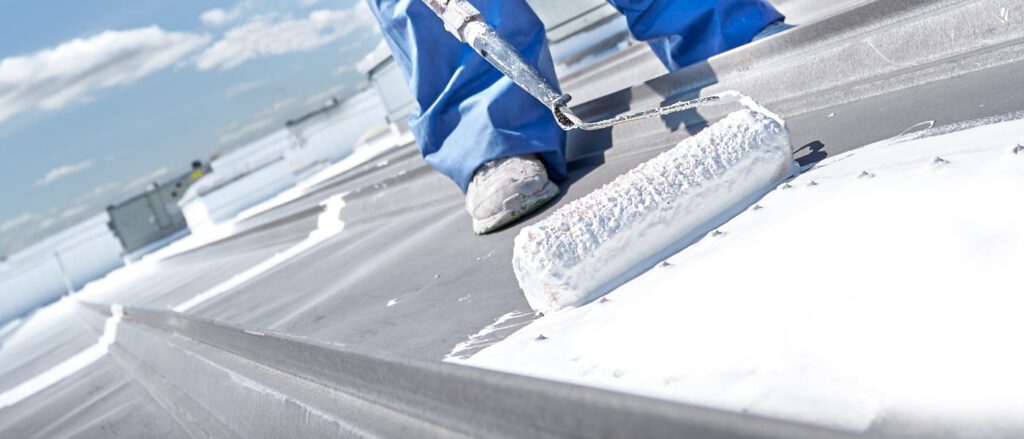
Roof Coatings: The Ultimate Roofing Solution? There are a lot of misconceptions when it comes to roof coatings. Some people think that roof coatings are a layer of paint to make your roof look new, others think it’s a temporary…
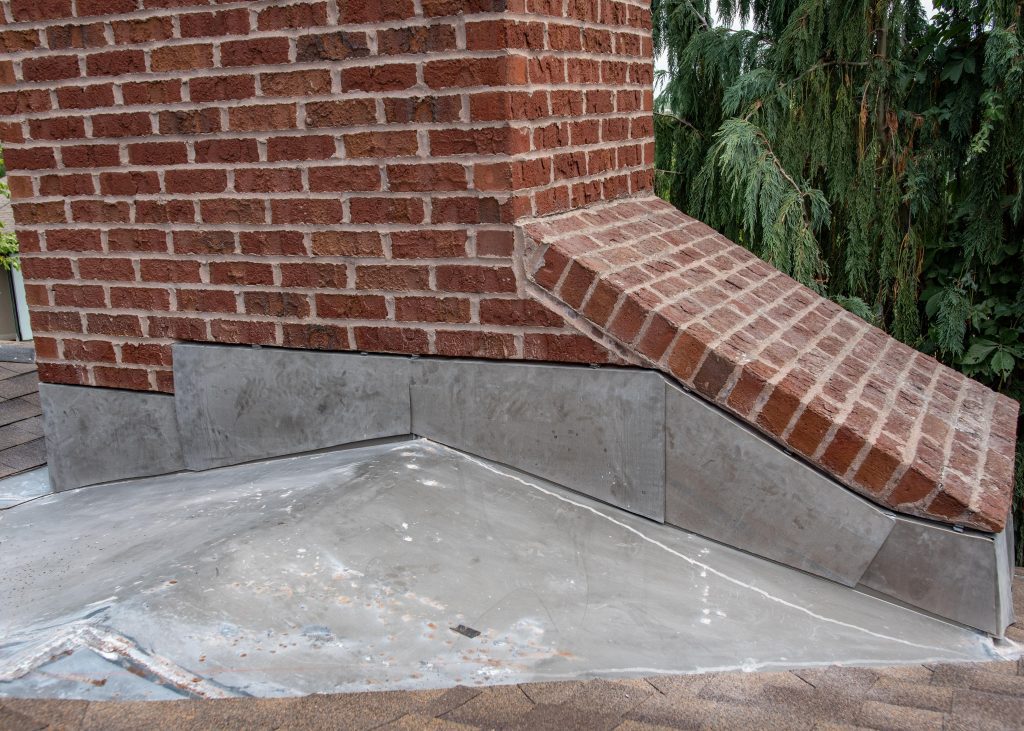


Installed Counter Flashing before solder


Roof Flashing: different types, how to install them, and when you should replace them

If we look at a pie chart of our monthly service requests in Louisville Ky, leaks at roof flashings are the biggest piece of the pie.  A poorly installed flashing repair compromises the integrity of the roof.  At Deer Park…


Seamless gutters


10 Components of a Successful Gutter System

Gutters and Downspouts are designed to drain rainwater away from your home or building without causing damage to your foundation, basement, landscaping, or other building materials.  An effective gutter and downspout system includes a number of different accessories, including splash…


Roof Replacement Considerations

5 Things to Consider When Replacing the Roof on Your Home Advancements in the residential roofing market have made replacing a roof a once-in-a-lifetime event for many homeowners. Purchasing a new roof is one of the most important home improvements…


metal thermal movement


Understanding Thermal Movement

Understanding thermal movement in residential metal roof systems is key to long-term performance Roofing contractors often are amazed at the time-tested craftsmanship of sheet-metal systems that are removed from historical structures. It’s not uncommon for some of these systems to…


ice dam gutters


Ice Dams

Several factors contributed to problem roofing area in the photo below. Even though the shingles were in good condition and installed properly, leaks were occurring in the winter months due to ice dams. To remedy the situation, the homeowner installed…